
Gili Trawangan affectionately known by travelers worldwide as “Gili T” is the quintessential tropical escape. Located just off the northwestern coast of Lombok, Indonesia, this tiny island is famous for its stunning turquoise waters, vibrant nightlife, world-class diving spots, and a unique rule that sets it apart from most tourist hubs: a complete ban on motorized vehicles. Here, the hum of traffic is replaced by the soft clip-clop of horse-drawn carts and the rhythmic splash of waves against white sand beaches.
However, behind this postcard-perfect paradise lies an unfortunate reality. Every year, hundreds of enthusiastic travelers find their dream vacation derailed by preventable injuries, sudden illnesses, or dangerous misadventures. Because Gili T operates on a modest infrastructure with limited high-level emergency medical facilities, a minor accident can quickly escalate into a costly, stress-inducing medical nightmare requiring offshore evacuation.
Whether you are a budget backpacker, a couple on a romantic holiday, or a solo traveler seeking island sun, understanding the hidden hazards of the island is essential. Below is a comprehensive guide to the top 5 most common tourist accidents in Gili Trawangan and, more importantly, exact, actionable strategies on how to avoid them so your trip remains safe and unforgettable.
1. Bicycle Collisions and Cidomo (Horse Cart) Accidents
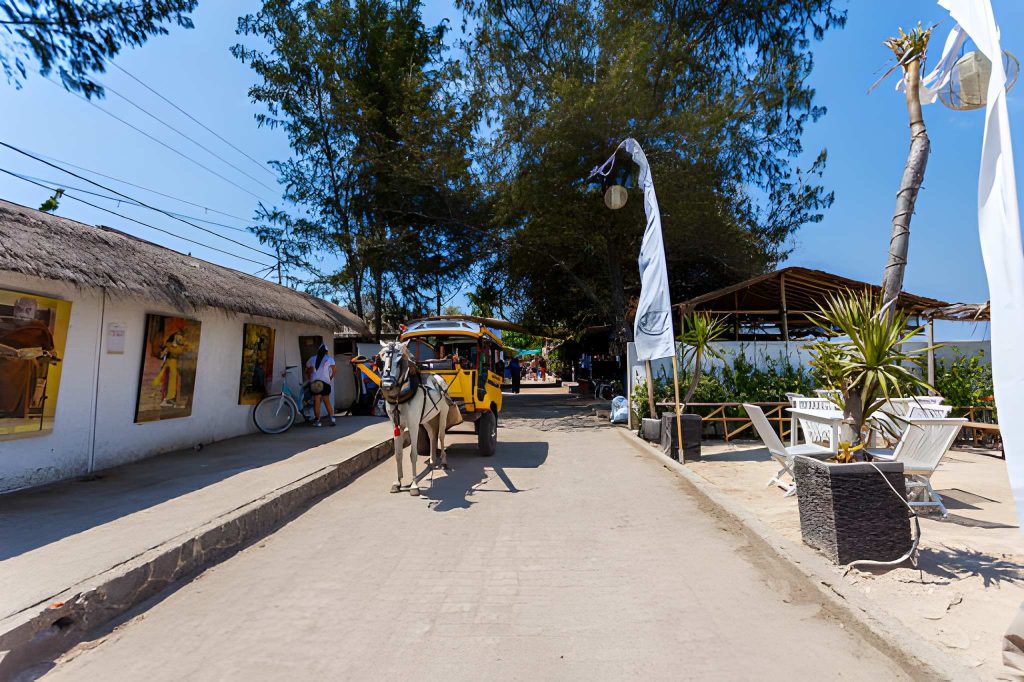
Because motorized cars and scooters are strictly forbidden on Gili Trawangan, the primary modes of transport are walking, riding bicycles, or hiring a cidomo (a small, traditional two-wheeled horse-drawn cart). While this creates a charming, relaxed atmosphere, it also sets the stage for one of the island’s most frequent causes of emergency clinic visits: bicycle crashes and collisions with horses.
Why It Happens
The roads on Gili T are rarely paved smooth. Instead, they consist of a mix of hard-packed dirt, uneven cobblestones, and deep, loose sand tracks. Tourists frequently rent bicycles that are poorly maintained—often featuring squeaky or non-functional brakes, loose handlebars, and no lights or bell. Combine these mechanically questionable bikes with dark, unlit interior paths at night, a few tropical cocktails, and heavy foot traffic, and collisions become almost inevitable.
Furthermore, many visitors fail to realize that cidomos always have the right of way. Horses can be unpredictable, easily startled by sudden movements or bright lights, and cannot stop on a dime especially when pulling heavy loads on soft sand.
How to Avoid It
- Inspect your rental bike thoroughly: Before paying or riding away, test the front and rear brakes, check the tire pressure, ensure the chain is lubricated, and confirm the seat is adjusted to your height. If the brakes feel spongy, ask for a different bicycle immediately.
- Equip yourself for night riding: Most rental bikes do not come with operational headlights. Bring a small, rechargeable headlamp or attach a bright flashlight to your handlebars when navigating the unlit backroads after sunset. Never rely solely on your phone’s flashlight while steering with one hand.
- Yield the right of way to horses: Always step or pull your bicycle completely off the path when you hear an approaching cidomo bell. Never make sudden movements, loud noises, or flash camera lights directly into a horse’s eyes.
- Walk through deep sand patches: Trying to power-pedal through deep, loose sand is the number one cause of sudden handlebar twists and wrist sprains. If the ground looks loose, dismount and push your bike.
- Never ride under the influence: Walking across Gili T from the west coast to the main strip takes less than 30 minutes. If you have been drinking, leave your bike behind and walk.
READ MORE : E-Bike Accidents on Gili Islands: What Tourists Need to Know
2. Ocean Currents, Coral Cuts, and Marine Life Stings

The waters surrounding the Gili Islands offer incredible visibility, spectacular sea turtle encounters, and lush coral reefs. However, the marine environment presents significant physical dangers to swimmers, snorkelers, and divers who underestimate the power of the ocean.
Why It Happens
Gili Trawangan sits right on the edge of the Lombok Strait, a deep ocean channel where massive volumes of water transfer between the Pacific Ocean and the Indian Ocean. This geographical setup creates extraordinarily strong, fast-moving tidal currents between Gili Trawangan, Gili Meno, and Gili Air. Unsuspecting swimmers often wade out into shallow water, get caught in a drift, panic, and are swept out into deep shipping lanes or pulled against jagged coral beds.
Additionally, shallow reef entry without proper footwear leads to severe coral cuts (which easily become infected in tropical climates) and painful step-on injuries from venomous sea urchins (bulu babi) or camouflaged stonefish.
How to Avoid It
- Respect red flags and local warnings: Pay close attention to warning flags posted along the beach and listen to divemasters or local boat captains. If a stretch of beach is flagged as dangerous due to strong undertows, stay out of the water.
- Swim only in designated safe zones: Avoid swimming across the channel between Gili T and Gili Meno at all costs. What looks like a short, peaceful swim is plagued by severe drift currents that even expert swimmers struggle to overcome.
- Invest in quality reef shoes: Walking out into the ocean over sharp dead coral or rocky shallows without sturdy protective footwear is a recipe for deep lacerations and embedded sea urchin spines.
- Practice safe snorkeling techniques: Maintain a horizontal position in shallow water to avoid kicking fragile coral reef structures or stepping on sea urchins. Never touch marine life, including turtles, fire coral, or stingrays.
- Beware of boat traffic: Fast boats, dive boats, and public ferries move quickly around the island’s eastern shoreline. Stay inside marked swimming zones, and if snorkeling further out, use a brightly colored surface marker buoy (SMB) so boat captains can see you clearly.
READ MORE : Got a Coral Cut in Gili T? Your Complete Guide to Treatment at a Gili Trawangan Clinic
3. Fast Boat Transfer Injuries and Lombok Scooter Day-Trip Crashes

Getting to Gili Trawangan requires a fast boat ride from Bali (Padang Bai or Sanur) or Lombok (Bangsal Harbor). Once on the island, many travelers take day trips over to mainland Lombok to explore waterfalls, surf beaches, or Mount Rinjani. Both of these transit legs harbor hidden physical dangers.
Why It Happens
During fast boat transfers, passengers frequently get injured while embarking or disembarking. The islands lack floating pontoons in many areas, requiring passengers to wade through rough surf and climb wet, slippery wooden ladders or jump onto shifting boat decks carrying heavy backpacks. In heavy swells, passengers inside fast boats can also suffer severe spinal compression or tailbone injuries from boats violently slamming against large ocean waves.
For those taking day trips to Lombok, renting a motor scooter is popular. However, mainland Lombok’s roads feature steep winding mountain passes, unexpected gravel patches, wandering livestock, and fast traffic. Tourists without prior motorcycle experience frequently crash, resulting in painful “road rash,” broken bones, or head trauma.
How to Avoid It
- Exercise caution during boat boarding: Keep both hands free when stepping between the shore, wooden ramps, and the boat. Hand your heavy luggage to the deck crew rather than attempting to balance with a 20-kilogram backpack on your shoulders. Wear slip-resistant footwear.
- Sit toward the rear of the fast boat: If you are prone to back pain or sea sickness, sit near the stern (back) of the boat. The front (bow) hits incoming waves with maximum impact, causing jarring jolts to your spine.
- Do not rent a scooter in Lombok without experience: A foreign island with unfamiliar traffic laws is not the place to learn how to ride a motorbike. If you do not hold a valid motorcycle license and International Driving Permit (IDP) in your home country, hire a professional local driver with a private car instead.
- Always wear a certified helmet: If you do ride a scooter, fasten a quality, full-face or sturdy helmet securely. Ensure your travel insurance explicitly covers motorcycle accidents (most policies require a valid license to honor claims).
READ MORE : Warna Medica: Rapid Medevac Services Saving Lives in Gili Trawangan by Boat and Helicoper
4. Heat Exhaustion, Severe Dehydration, and “Gili Belly”

The tropical climate of Gili Trawangan is intensely warm year-round. Temperatures regularly hover around 30°C to 34°C (86°F to 93°F) with high humidity. Combined with contaminated water or improperly handled street food, environmental illness quickly takes down unprepared travelers.
Why It Happens
Tourists often spend long hours under the blistering equatorial sun, drinking alcohol or fresh coconut water while forgetting to replenish vital salts and water. This leads quickly to heat exhaustion, severe sunstroke, and painful second-degree sunburns.
Simultaneously, “Gili Belly” a common form of traveler’s diarrhea caused by bacterial or parasitic pathogens like E. coli, Salmonella, or Giardia is easily contracted. Tap water on Gili T is non-potable (often slightly salty or brackish groundwater). Ingesting tap water while brushing teeth, swallowing water during showers, or eating food washed in untreated water can trigger violent gastrointestinal distress.
How to Avoid It
- Drink bottled or filtered water exclusively: Never drink tap water on Gili T. Use sealed bottled water or filtered water refills even for brushing your teeth. Keep your mouth firmly shut while taking a shower.
- Be cautious with ice and raw salads: While commercial ice cubes (typically tube-shaped with a hole in the middle) produced in factories are generally safe, crushed raw block ice can harbor bacteria. Avoid raw, unpeeled vegetables washed in tap water at low-turnover stalls.
- Hydrate with oral rehydration salts (ORS): Tropical heat and alcohol consume your body’s electrolytes fast. Mix electrolyte sachets into your water daily, especially if you spend long hours swimming or biking around the island.
- Apply broad-spectrum, reef-safe sunscreen: The UV index in Indonesia frequently hits dangerous levels (UV 11+). Reapply high-SPF sunscreen every two hours, wear a wide-brimmed hat, and seek shade during peak sunlight hours (11:00 AM to 3:00 PM).
- Pack an emergency medical kit: Bring anti-diarrheal medication (Loperamide/Imodium), oral rehydration packets, activated charcoal, anti-nausea tablets, and antiseptic cream from home.
READ MORE : Don’t Let a Dicky Tummy Ruin Paradise: 7 Unmissable Tips to Avoid a Tummy Bug on Your Gili Holiday
5. Methanol Poisoning from Counterfeit Alcohol
Nightlife is one of Gili Trawangan’s biggest draws, with beach parties, full-moon events, and lively bars running late into the night. Unfortunately, Indonesia has a long-documented history of cases involving methanol poisoning caused by counterfeit or illicitly distilled spirits.
Why It Happens
Due to extremely high import taxes on foreign alcohol in Indonesia, legitimate imported spirits (like vodka, gin, rum, and tequila) are expensive. To cut costs and maximize profits, some unscrupulous bar owners or illicit bootleggers mix cheap, locally produced spirits (such as Arak, a traditional palm liquor) with toxic industrial chemicals, or improperly distill local spirits, producing high concentrations of methanol.
Methanol is a odorless, colorless, highly toxic alcohol compound. Even tiny amounts as little as 10 to 30 milliliters can cause severe chemical toxicity, permanent blindness, kidney failure, coma, or death. Backpackers drinking cheap bucket cocktails or taking free promotional “party shots” are at the highest risk.
How to Avoid It
- Stick to sealed canned beer, cider, or wine: Drinks like Bintang beer, San Miguel, or imported canned cider are safe, mass-produced, and nearly impossible to tamper with. Sealing integrity is easy to verify.
- Avoid cheap cocktail buckets and free shots: If a bar offers unlimited free shots, $2 cocktail buckets, or suspiciously cheap mixed drinks, walk away. These deals frequently utilize unbranded, bootleg spirits.
- Order high-end, bottled spirits poured in front of you: If you prefer spirits, purchase recognizable international brands at reputable, established venues. Always request that the bartender open the sealed bottle and pour the drink right in front of your eyes.
- Know the warning signs of methanol toxicity: Early signs resemble normal drunkenness (dizziness, nausea, vomiting), but symptoms rapidly worsen within 6 to 24 hours. Red-flag symptoms include severe abdominal pain, hyperventilation, confusion, and distinctly blurred, spotty, or “snowstorm” vision.
- Act immediately if symptoms appear: Methanol poisoning is a extreme medical emergency. Seek medical transport to an advanced clinic or hospital instantly; early administration of ethanol (pure pharmaceutical alcohol) under medical supervision can save your life and eyesight.
Medical Facilities on Gili Trawangan: What to Expect in an Emergency
If you or someone you travel with suffers an accident, knowing where to go on Gili Trawangan is vital for fast, effective treatment.
Need Medical Assistance? For prompt, expert, and reliable medical care, we highly recommend visiting the 3 best clinics in Gili Trawangan:
- Warna Medica: Located conveniently near the main Gili Trawangan beach area, this trusted facility provides 24/7 emergency care, a fully-stocked pharmacy, and professional general consultations for all types of tropical ailments and minor injuries.
- Pillar Meno Medika: A premium medical center (part of the Empat Pillar Medika network) offering excellent 24-hour healthcare services, rapid emergency response, IV drip therapy, and adequate laboratory facilities to accurately diagnose and treat patients efficiently.
- Pillar Medika Sunset: Situated on the beautiful and quieter western coast of Gili Trawangan, this clinic operates around the clock. They specialize in treating minor injuries, providing IV hydration, doctor-on-call services, and coordinating rapid medical evacuations via boat or helicopter.
These clinics are well-suited for treating minor injuries, such as simple coral cuts, minor bicycle scrapes, IV hydration for mild heat exhaustion, and basic prescriptions.
Crucial Medical Travel Advisory: Gili Trawangan does not have a full-service hospital, intensive care unit (ICU), advanced trauma surgery bay, or blood bank. For severe trauma, complex bone fractures, deep surgical needs, or severe methanol poisoning, patient stabilization occurs on-site before immediate transfer via private fast boat to mainland Lombok (Harapan Keluarga Hospital in Mataram) or emergency air/sea evacuation to Bali.
Because emergency evacuations from isolated islands can easily cost upwards of $5,000 to $20,000 USD out-of-pocket, comprehensive travel insurance with specific coverage for emergency medical evacuation and adventure activities is non-negotiable when visiting the Gilis.
Ultimate Checklist for Staying Safe on Gili Trawangan
Keep your vacation smooth, fun, and injury-free by following this quick pre-departure and daily safety checklist:
- Insurance Verified: Ensure travel insurance explicitly covers ocean sports, fast boat transit, scooter riding (if licensed), and medical evacuation.
- Bike Checked: Test rental bicycle brakes, tires, and bring a hands-free headlamp for night travel.
- Water Precautions: Use sealed bottled or purified water for drinking and tooth brushing.
- Drink Awareness: Avoid bucket drinks and free shots; stick to sealed beers, ciders, or established venues.
- Ocean Safety: Check local tide/current notices, wear reef shoes, and stay inside designated swimming zones.
- First Aid Ready: Carry electrolyte packets, reef-safe sunscreen, waterproof bandages, and stomach relief medications.
Enjoying Gili Trawangan Safely
Gili Trawangan is an absolute paradise offering unequaled sunset views, warm hospitality, and unforgettable underwater adventures. Avoiding tourist accidents on the island doesn’t mean hiding in your hotel room or skipping out on the fun it simply requires staying mindful of your surroundings, respecting the island’s unique geographical setup, and exercising basic common sense.
By inspecting your bicycle, respecting ocean currents, drinking responsibly, staying hydrated, and securing proper travel insurance, you ensure that your memories of Gili Trawangan remain pure tropical bliss. Stay smart, travel safe, and enjoy everything this remarkable island has to offer!

