
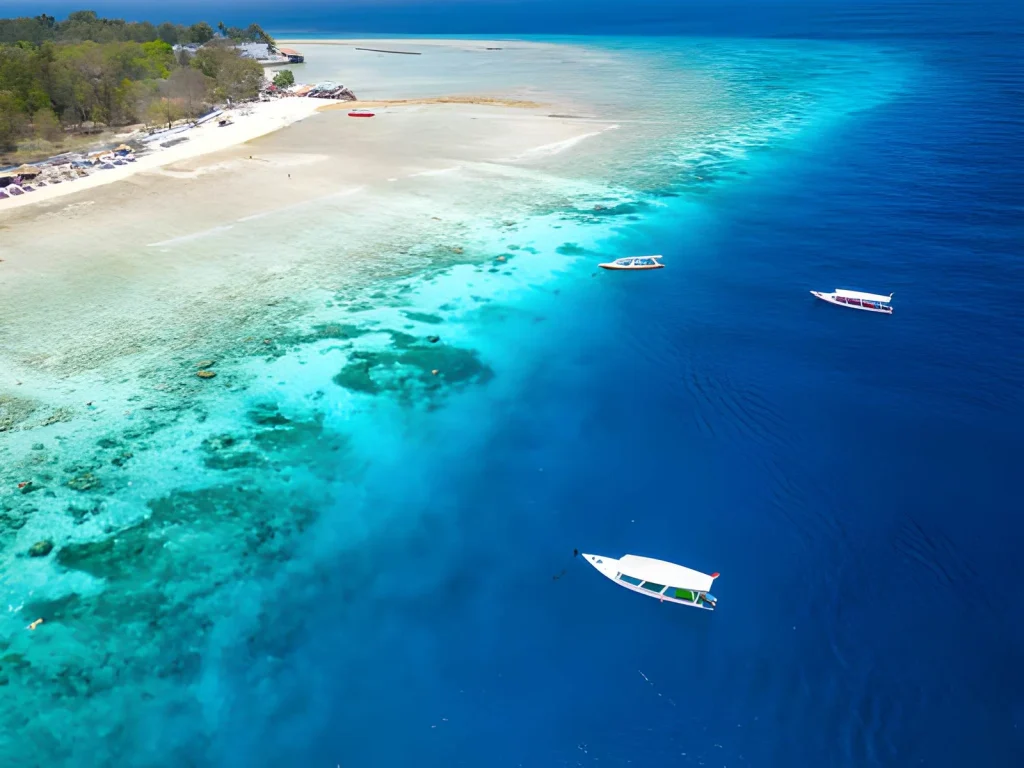
Gili Trawangan, affectionately known as Gili T, is world-renowned for its turquoise waters, vibrant marine biodiversity, and accessible warm-water diving. Nestled just off the northwest coast of Lombok, Indonesia, this tropical paradise attracts thousands of divers annually from first-time Discover Scuba participants to seasoned technical divers. However, beneath the idyllic surface of sun-soaked surface intervals and drift dives lies a physiological threat that is frequently underestimated: dehydration.
While most dive briefings rightly emphasize buoyancy control, ascent rates, and air management, fluid balance is often treated as an afterthought. In the tropical microclimate of Gili T, dehydration is not merely a cause of minor discomfort or mild headaches; it is a critical physiological factor that significantly increases the risk of Decompression Sickness (DCS), impairs cognitive function underwater, and compromises overall diver safety. Understanding the complex mechanics of fluid loss in marine environments is essential for anyone strapping on a tank in the Gili Islands.
While most scuba divers are hyper-focused on monitoring their gas blend, depth gauges, and surface intervals, hydration levels often fall to the bottom of the safety priority list. In tropical diving hot spots like Gili T, dehydration is not merely a cause of minor thirst or a mild headache; it is one of the single greatest physiological risk factors for Decompression Sickness (DCS). Combined with dry tank air, tropical heat, underwater exertion, and the island’s famous nightlife, dive tourists often enter the water in a compromised physical state without even realizing it.
This comprehensive guide dives deep into the physiological mechanics of dehydration during scuba diving, explores the unique lifestyle factors on Gili T, and provides actionable, step-by-step strategies to keep you hydrated, safe, and diving comfortably.
The Hidden Hydration Drain: Why Scuba Diving Dries You Out
Most people associate dehydration with sweating under intense physical activity on land. When you are surrounded by ocean water and floating weightlessly, dehydration feels counterintuitive. Yet, the human body loses significant amounts of fluid before, during, and after a dive through mechanisms unique to the hyperbaric environment.
1. Breathing Compressed Air and Respiratory Fluid Loss
To protect delicate scuba equipment and steel or aluminum tanks from internal corrosion, compressed air inside a scuba cylinder must be scrubbed of virtually all moisture. The air you breathe from your regulator has a relative humidity of less than 0.1%.
When you inhale this bone-dry air into your lungs, your respiratory system immediately goes to work warming and humidifying it to 100% humidity at body temperature. With every single exhalation, you blow out precious moisture that was extracted directly from your blood plasma and body tissues. Over the course of a standard 50-to-60-minute dive, a diver can lose between 300 to 500 milliliters of fluid purely through respiration. If you execute two or three dives in a single day, you can lose up to 1.5 liters of water simply by breathing.
2. Immersion Diuresis: The Gauer-Henry Reflex
Have you ever noticed the immediate urge to urinate shortly after descending underwater? This isn’t just psychological it is a physiological response known as immersion diuresis, triggered by the Gauer-Henry reflex.
When your body is submerged in water and subjected to hydrostatic pressure, blood is compressed away from your extremities (arms and legs) and shifted toward your central body core. Your brain interprets this sudden increase in central blood volume as a signal that you have too much fluid in your circulation. In response, your heart releases Atrial Natriuretic Peptide (ANP), while your pituitary gland suppresses Antidiuretic Hormone (ADH).
The result? Your kidneys immediately start filtering out water, producing large quantities of dilute urine. Consequently, your body actively flushes out fluids even if you were already slightly dehydrated before stepping onto the dive deck.
3. Thermal Stress and Sweat Under the Tropical Sun
Gili Trawangan sits just eight degrees south of the equator, experiencing consistent tropical heat with average daily temperatures hanging between 28°C and 33°C (82°F to 91°F). Before you even step foot on a dive boat, donning a 3mm wetsuit, lugging heavy weights, and sitting under direct sunlight on an open-air speed boat causes rapid thermal sweating.
Even underwater, sweating can occur. In warm tropical waters (28°C to 30°C), your body works to regulate internal temperatures during high-energy swimming against currents, leading to further fluid loss that goes entirely unnoticed because you are submerged in saltwater.
ALSO READ : E-Bike Accidents on Gili Islands: What Tourists Need to Know
Dehydration and Decompression Sickness (DCS): The Fatal Connection
Understanding why you lose water underwater is only half the battle; understanding what that loss does to your physiological safety is crucial. Dehydration is widely recognized by hyperbaric medical experts as a chief contributing factor to “unmerited” Decompression Sickness a scenario where a diver suffers the bends despite staying well within their dive computer’s non-decompression limits (NDLs).
Blood Viscosity and Reduced Nitrogen Off-Gassing
Blood plasma is composed of approximately 92% water. When you become dehydrated, your total blood volume drops, causing your blood to become thicker and more viscous. Highly viscous blood flows significantly slower through the intricate network of microscopic blood vessels (capillaries) that feed your muscles, joints, and organs.
During a dive, your body tissues absorb inert nitrogen gas under ambient pressure. As you ascend and perform safety stops, your circulatory system relies on smooth, rapid blood flow to carry that dissolved nitrogen away from your tissues back to your lungs, where it is safely exhaled.
When blood flow is sluggish due to dehydration:
- Tissue Perfusion Drops: Blood cannot efficiently reach remote or dense body tissues (such as joint cartilage and deep muscle groups) to pick up absorbed nitrogen.
- Nitrogen Trapping Occurs: Dissolved gas remains trapped in tissues longer than calculated by standard decompression algorithms.
- Microbubble Formation Increases: As ambient pressure decreases during ascent, trapped nitrogen comes out of solution rapidly, coalescing into venous gas microbubbles that can trigger local pain, nerve impingement, or systemic DCS.
Compromised Endothelial Function
Dehydration also induces systemic physiological stress, promoting microvascular inflammation and damaging the inner lining of blood vessels (the endothelium). A damaged vascular endothelium is far more susceptible to inflammatory reactions when microbubbles pass through, amplifying the severity of decompression symptoms.
The Gili Trawangan Factor: Island Life vs. Diver Physiology
While dehydration is a universal risk for divers anywhere in the world, the environment and social culture of Gili Trawangan create a unique storm of hydration challenges.
1. The Post-Party Dive Penalty
Gili T is famous for two things: world-class marine life and vibrant nightlife. Late-night beach parties featuring cold Bintang beers and tropical cocktails are a major draw for island visitors. However, alcohol is a powerful diuretic that inhibits vasopressin (ADH), forcing the kidneys to excrete disproportionate amounts of water.
If you consume alcohol late into the night and sign up for an 8:30 AM morning dive at Shark Point or Deep Halik, you are heading into a high-nitrogen environment in a severely hyper-viscous, dehydrated state. Combining a hangover with compressed air and immersion diuresis exponentially spikes your risk of decompression illness.
2. Open-Boat Logistics and Tropical Exposure
Unlike large liveaboards with air-conditioned saloons, diving in Gili T primary relies on local wooden outriggers or rigid inflatable speedboats. Dive sites like Turtle Point, Sunset Reef, or Meno Wall are quick 10 to 20-minute boat rides away.
While short trips are convenient, divers often sit in direct sunlight gear-up on open decks without shade. Combined with wind-chill drying out salt-crusted skin during the ride back, body moisture evaporates at an accelerated rate.
3. Variable Currents and Exertion
The Lombok Strait is famous for its powerful deep-water currents moving between the Bali Sea and the Indian Ocean. While these nutrient-rich currents bring in majestic manta rays, reef sharks, and huge schools of pelagics, they frequently demand high physical exertion underwater. Kick-cycles against a sudden drift dramatically increase metabolic rate, respiration, body heat, and fluid consumption.
Spotting the Signs: Symptoms Every Diver Must Know
Recognizing dehydration early can mean the difference between a fantastic day underwater and a trip to the hyperbaric recompression chamber in Lombok or Bali. Symptoms should be monitored both on land and while submerged.
Pre-Dive Alert Indicators (On Land)
- Dark, Concentrated Urine: A clear indicator of systemic dehydration. Urine should ideally be pale yellow or clear.
- Unusual Pre-Dive Fatigue: Feeling excessively sluggish or exhausted despite adequate sleep.
- Headaches or Dizziness: Mild persistent headaches around the temples or forehead before gearing up.
- Dry Mouth and Cracked Lips: A lack of saliva production indicating reduced fluid reserves.
- Poor Skin Turgor: Pinching the skin on the back of your hand; if it takes time to snap back into place, you are significantly fluid-deprived.
In-Water Alert Indicators
- Severe Muscle Cramps: Sudden, painful cramping in the calves or foot arches while finning.
- Persistent Cottonmouth: Extreme dry throat that triggers coughing fits into your regulator.
- Brain Fog: Difficulty focusing on gauges, buddy signaling, or navigation that goes beyond mild nitrogen narcosis.
ALSO READ : Ultimate Guide to Villa and Resort Accidents in Gili Islands
The Ultimate Hydration Strategy for Gili T Divers
Staying safely hydrated on Gili T does not mean downing three liters of plain tap water ten minutes before jumping off the boat. In fact, drinking massive amounts of plain water rapidly can backfire by flushing out essential electrolytes. Here is a scientifically backed, practical hydration protocol tailored for island divers.
1. Pre-Dive Hydration Routine: The 24-Hour Rule
Hydration is a continuous process. You cannot fix chronic dehydration five minutes before dropping down a mooring line.
- The Night Before: Moderate your alcohol consumption. For every alcoholic beverage or coffee you drink, consume at least one full glass of water or electrolyte solution. Stop alcohol intake early if you plan to dive deep the following morning.
- Morning of the Dive: Drink 500 ml of fluid roughly 2 hours before your dive. This gives your kidneys enough time to process the fluid and allows you to eliminate excess urine *before* pulling on your wetsuit.
- 30 Minutes Before Ingress: Sip (do not gulp) 200–300 ml of water mixed with electrolytes.
2. Optimal Fluids: Beyond Plain Water
When you sweat and undergo immersion diuresis, you lose vital mineral salts, including sodium, potassium, magnesium, and calcium. Drinking pure water in excessive quantities dilutes your blood’s sodium concentration (hyponatremia), prompting your body to excrete even more fluid.
To optimize fluid absorption and retention, incorporate these choices into your routine on Gili T:
- Oral Rehydration Salts (ORS): Readily available at local pharmacies on Gili Trawangan. Dissolving an ORS packet into your water bottle creates an isotonic solution that rapidly restores plasma volume.
- Fresh Young Coconuts: Widely sold across Gili T’s beach cafes, fresh coconut water is rich in natural potassium and magnesium, making it an exceptional natural isotonic beverage between dive trips.
- Isotonic Sports Drinks: Ensure you choose options low in refined sugars, or dilute commercial sports drinks with equal parts fresh water.
3. Surface Interval Protocols
The time spent resting between Dive 1 and Dive 2 is critical for both off-gassing nitrogen and restoring lost fluids.
- Immediately upon returning to the boat or dive shop, strip down your wetsuit to your waist to allow your body to cool down efficiently without excessive sweating.
- Sip at least 500–750 ml of fluid during a 60-to-90-minute surface interval.
- Find shade. Avoid lying under direct sun on the top deck of the dive boat during mid-day surface intervals.
Diver Safety Checklist: Hydration at a Glance
Keep this quick reference guide in mind before heading out to the dive center:
| Timeframe Hydration Action Item Goal / Target Outcome | ||
| Night Before | Limit alcohol; drink 1 glass of water per alcoholic beverage. | Prevent severe overnight fluid deficit. |
| 2 Hours Pre-Dive | Drink 500ml water + ORS or isotonic powder. | Hydrate vascular system and allow time to void excess urine. |
| 30 Mins Pre-Dive | Sip 250ml fresh water or fresh coconut water. | Top up fluid levels without overfilling bladder. |
| Surface Interval | Shade off, remove wetsuit, sip 500-750ml water/electrolytes. | Cool core body temp, re-establish plasma volume for safe nitrogen off-gassing. |
| Post-Dive (Evening) | Rehydrate with coconut water and balanced meals rich in salts. | Prepare body physiology for consecutive dive days. |
Conclusion: Dive Smart, Stay Hydrated, Enjoy Gili T
Gili Trawangan offers some of the most spectacular marine biodiversity in the Coral Triangle. From graceful green sea turtles drifting over coral bombies to thrilling deep reef topographies, diving here is an unforgettable experience. However, the unique combination of equatorial heat, breathing ultradry compressed gas, immersion-induced fluid loss, and an active island lifestyle makes dehydration an ever-present risk.
Dehydration compromises your body’s ability to off-gas inert nitrogen safely, significantly raising the risk of Decompression Sickness even on routine, non-decompression dives. By making hydration an essential part of your pre-dive checklist just like checking your pressure gauge or testing your buddy’s octopus you protect your health and ensure every dive in Gili T is safe, comfortable, and memorable.
Respect the ocean, listen to your body, drink your electrolytes, and enjoy everything that Gili Trawangan’s underwater world has to offer!
Need Medical Assistance? Contact the Best Clinics in Gili Trawangan

If you experience any severe symptoms of dehydration, suspect decompression sickness, or require professional medical attention during your island getaway, your health and safety should always come first.
For prompt, expert, and reliable medical care, we highly recommend visiting the top 3 clinics in the area:
Stay safe, stay hydrated, and know where to go in case of an emergency!

