
Quick Answer: Seasickness fast boat Gili Islands crossings cause is one of the most common complaints tourists bring to island clinics, whether the destination is Gili Trawangan, Gili Air, or Gili Meno. Most fast boats from Bali or Lombok stop at more than one of the three islands in a single run, so the crossing itself feels much the same regardless of which Gili you’re headed to. It’s rarely dangerous, but it can wreck the first day of a trip. A few simple steps before you board prevent most cases entirely.
Why the Crossing to the Gili Islands Makes People Seasick
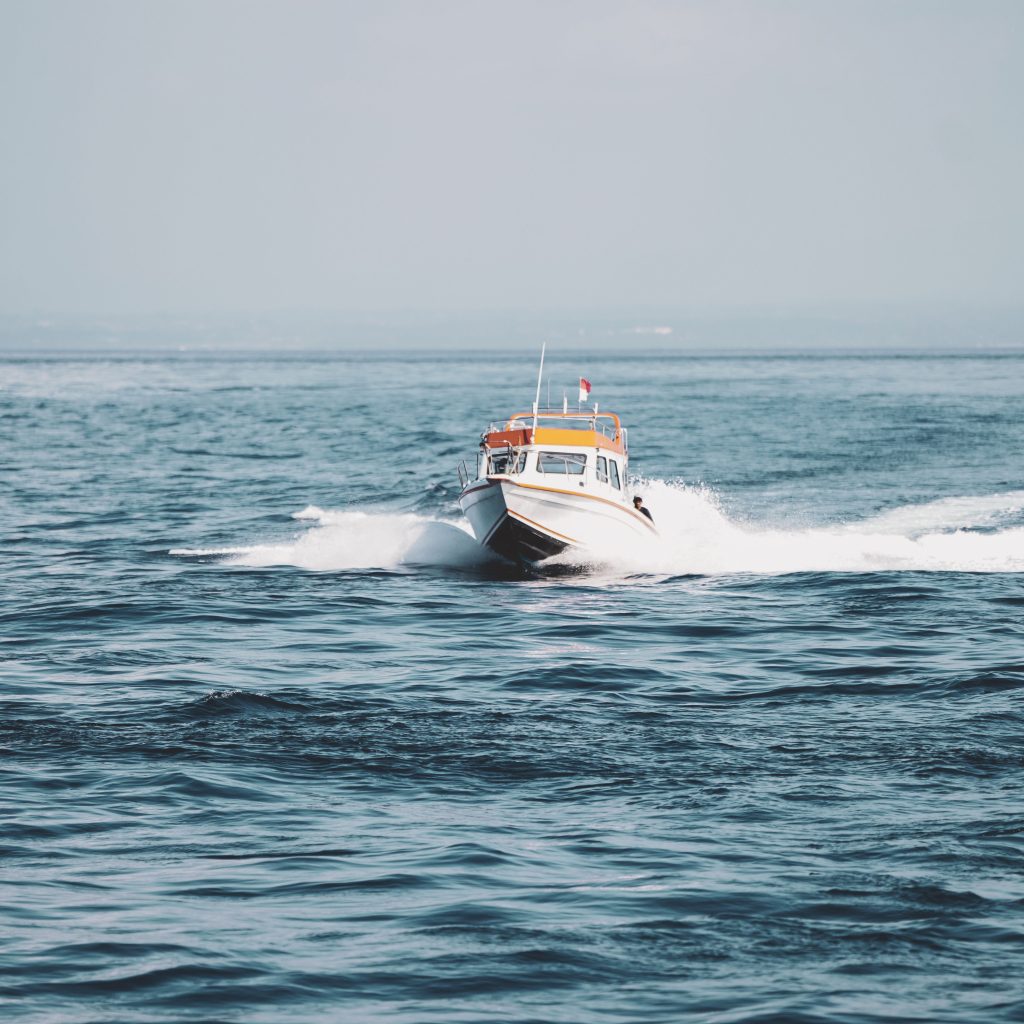
Fast boats to the Gili Islands cross the Lombok Strait. It’s a stretch of open water known for unpredictable currents, even when the surface looks calm. Your body gets confused when your inner ear senses motion that your eyes don’t see. This effect gets stronger inside an enclosed cabin. That mismatch between what you feel and what you see is what actually causes the nausea, not the boat itself.
Several routes serve the Gili Islands, and they don’t all feel the same:
- Padang Bai to the Gili Islands — the shortest crossing, around 1.5 hours, and generally the calmest option.
- Serangan or Sanur to the Gili Islands — longer, around 2.5 to 3 hours, with more open-water time.
- Nusa Dua to the Gili Islands — a newer direct route, with similar open-water exposure to Serangan.
Longer routes simply mean more time for symptoms to build. If you already know you’re prone to motion sickness, choose the shorter Padang Bai crossing over a longer one. That’s true even if it means a longer land transfer first.
Seasickness Fast Boat Gili Islands Trips Get Worse During Certain Months
Kristina Tochilko / Unsplash
Sea conditions change with the season, and that matters more than most travelers expect.
- December to February (west monsoon) — the roughest window. Winds pick up and swells get noticeably bigger.
- April–May and October–November (transitional months) — conditions can shift quickly within the same day.
- June to September (dry season) — generally calmer, though afternoon winds can still create chop.
Morning departures tend to sail on calmer water than afternoon ones, regardless of season or which Gili you’re heading to. If your schedule allows it, booking the earliest available crossing is one of the simplest ways to lower your risk before you’ve even left the harbour.
How to Prevent Seasickness Before You Even Board

Most prevention happens before the boat leaves the dock, not during the ride.
- Choose your seat carefully. Sit toward the middle or back of the boat, and downstairs rather than on an upper deck if the vessel has two levels. This is where motion is smallest.
- Take medication early, not late. Over-the-counter options like dimenhydrinate (Dramamine) and meclizine (Bonine) work best when taken 30 to 60 minutes before departure, not after symptoms start.
- Skip the “non-drowsy” allergy antihistamines. According to the CDC’s travel health guidance, newer antihistamines like cetirizine, fexofenadine, and loratadine don’t work for motion sickness at all. They’re designed specifically to avoid entering the brain, which is exactly where a motion sickness drug needs to act.
- Eat something light beforehand. A small, plain meal settles the stomach better than travelling empty, and far better than a heavy or greasy one.
- Skip alcohol and heavy caffeine. Both increase dehydration, which makes nausea worse rather than better, despite what some travelers claim about a “steadying” drink before boarding.
- Pack ginger candy. Evidence is mixed, but it’s low-risk and many travelers find it genuinely helps settle mild queasiness.
Mayo Clinic also notes that a prescription scopolamine patch, applied behind the ear several hours before travel, can offer protection for up to three days, which is worth asking a doctor about if you’re prone to severe motion sickness and island-hopping for several days in a row.
What Actually Helps Once You’re Already Feeling Sick
If nausea hits mid-crossing, a few things tend to help more than others:
- Look at a fixed point on the horizon. This helps re-align what your eyes see with what your inner ear senses.
- Get fresh air if you can. Standing near an open window or heading to an outer deck, even briefly, often helps more than staying in a sealed cabin.
- Lie down if there’s space. Closing your eyes and lying flat reduces the sensory mismatch that drives the nausea.
- Sip water in small amounts. Don’t gulp, and don’t force food if your stomach is already unsettled.
If you do end up unwell after arriving, dehydration from vomiting on the crossing can leave you feeling worse for the rest of the day. Our IV drip therapy is often the fastest way to recover once you’re on the island, especially if you’ve got limited time before your next activity.
When Seasickness Might Be Something Else
Ordinary seasickness usually fades within an hour or two of stepping off the boat. Watch for signs that point to something beyond motion sickness, and get checked if you notice any of them:
- Vomiting that continues for more than a few hours after arrival
- Fever alongside the nausea (this points toward food poisoning or another illness, not seasickness)
- Severe abdominal pain rather than general queasiness
- Signs of significant dehydration — dizziness when standing, a dry mouth that water doesn’t relieve, very dark urine, or confusion
If you’re unsure which one you’re dealing with, clinics are available across all three islands: Pillar Warna Medica, Pillar Medika Sunset, and Pillar Jambuluwuk on Gili Trawangan; Pillar Meno Medika on Gili Meno; and Gili Air Clinic Center on Gili Air. Our 24-hour emergency care is available if symptoms escalate after hours.
Key Takeaways
- The Lombok Strait crossing can be genuinely rough, especially December–February and on longer routes like Serangan or Sanur, regardless of which Gili Island you’re headed to.
- Morning departures and shorter routes (Padang Bai) are the calmest options if you’re prone to motion sickness.
- Medication works best taken 30–60 minutes before boarding, and “non-drowsy” allergy antihistamines don’t work for motion sickness at all.
- Sitting low and central on the boat, watching the horizon, and staying hydrated all genuinely help.
- Vomiting that continues well after arrival, fever, or signs of real dehydration are reasons to see a doctor at any of the island clinics, not just wait it out.
Frequently Asked Questions
Which fast boat route to the Gili Islands has the least seasickness?
Padang Bai to the Gili Islands is generally the calmest and shortest crossing, at around 1.5 hours. Longer routes from Serangan, Sanur, or Nusa Dua involve more open-water time, which gives symptoms more chance to build.
What’s the best seasickness medicine for the boat crossing to the Gili Islands?
Common over-the-counter options include dimenhydrinate (Dramamine) and meclizine (Bonine). Take them 30 to 60 minutes before boarding for the best effect. Avoid “non-drowsy” allergy antihistamines like cetirizine or loratadine, since they don’t work for motion sickness at all.
Is it normal to feel seasick even on a calm day?
Yes. Even when the surface looks smooth, swells beneath the boat and the enclosed cabin environment can still trigger motion sickness in sensitive travelers. Sitting low and central on the boat and getting fresh air when possible both help regardless of how calm the sea looks.
How long does seasickness last after arriving on Gili Trawangan, Gili Air, or Gili Meno?
For most people, symptoms fade within one to two hours of being back on solid ground. If nausea, vomiting, or dizziness continues well beyond that, or if you develop a fever, it’s worth getting checked rather than assuming it’s still just the boat.
Can seasickness be confused with food poisoning on the Gili Islands?
Yes, and this matters for treatment. Seasickness typically improves quickly once you’re off the boat, while food poisoning tends to persist or worsen, often with fever or more severe abdominal pain. If you’re unsure which one you’re dealing with, a quick clinic visit can clarify it faster than waiting to see which way it goes.
Should I give seasickness medication to kids on the boat to the Gili Islands?
Children can be more prone to motion sickness than adults, but dosing is different by age, and some medications aren’t recommended for young children. Talk to a doctor or pharmacist about age-appropriate options before your trip rather than giving a child an adult dose.
Sources
- Centers for Disease Control and Prevention. Motion Sickness — CDC Yellow Book.
- Mayo Clinic. Motion Sickness: First Aid.
- U.S. Pharmacist. The Pharmacologic Management of Motion Sickness.
- GoodRx Health. Best Seasickness Medications to Treat and Prevent Symptoms.
Reviewed by Muhammad Nashirul Islam, MD