
Quick Answer: Rabies risk Gili Islands travelers actually face is much lower than what you’d find in Bali. Lombok, the regency that includes Gili Trawangan, Gili Air, and Gili Meno, remains officially rabies-free, unlike Bali, which has had ongoing rabies cases since 2008. That said, “low risk” isn’t “no risk,” and any bite or scratch from a dog, cat, or monkey anywhere in Indonesia including on a Bali stopover deserves the same fast response. This guide breaks down what’s actually true, and what to do if it happens to you.
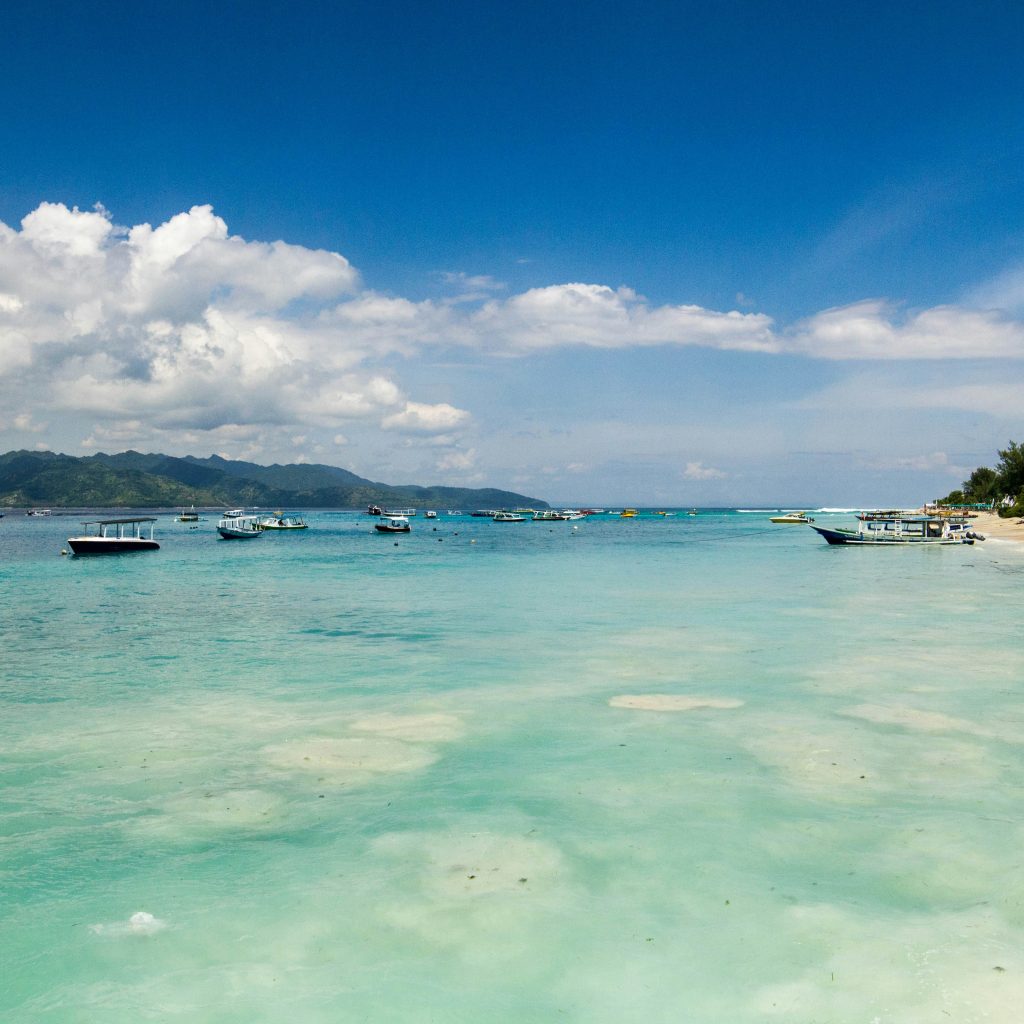
Why Gili Islands Are Different From Bali When It Comes to Rabies
Bali reintroduced rabies into its dog population in 2008, and the disease has stayed active there ever since. Despite large-scale vaccination campaigns, Bali still records human deaths from rabies most years, and health authorities are targeting rabies-free status only by 2030.
Lombok tells a different story. The regency has maintained official rabies-free status for years, even though it sits close to both Bali and Sumbawa, islands where rabies is present. Local governments actively defend that status through dog vaccination and sterilization programs, precisely because a single infected animal crossing over could change the picture fast.
The Gili Islands add another layer of protection on top of that. Gili Trawangan, Gili Air, and Gili Meno have very few free-roaming dogs compared to mainland Lombok, largely because the islands are small, walkable, and don’t have the stray dog populations you’d find in a typical Indonesian town. Fewer dogs means fewer opportunities for the virus to spread, even in the unlikely event it reached the islands.
Rabies Risk Gili Islands Visitors Should Actually Worry About
None of this means the risk is zero, and it’s worth being precise about where the real risk sits.
- Lombok’s rabies-free status isn’t guaranteed forever. It depends on ongoing vaccination programs, and dog bite numbers on the mainland have been rising in some districts even while the rabies-free status holds. That’s a sign the situation gets actively managed, not a sign it’s permanently settled.
- Monkeys carry the same risk as dogs. Rabies can pass through a bite or scratch from any warm-blooded mammal, not just dogs. If your Gili trip includes a side visit to a temple or forest area on Lombok or Bali where monkeys are common, treat any monkey contact with the same caution as a dog bite.
- Animals move between islands. Boats carry more than tourists — pets and strays occasionally travel too, and that’s part of why Lombok’s rabies-free status needs active protection rather than being treated as a fixed fact.
What About Bali, Lombok Mainland, and Day Trips?
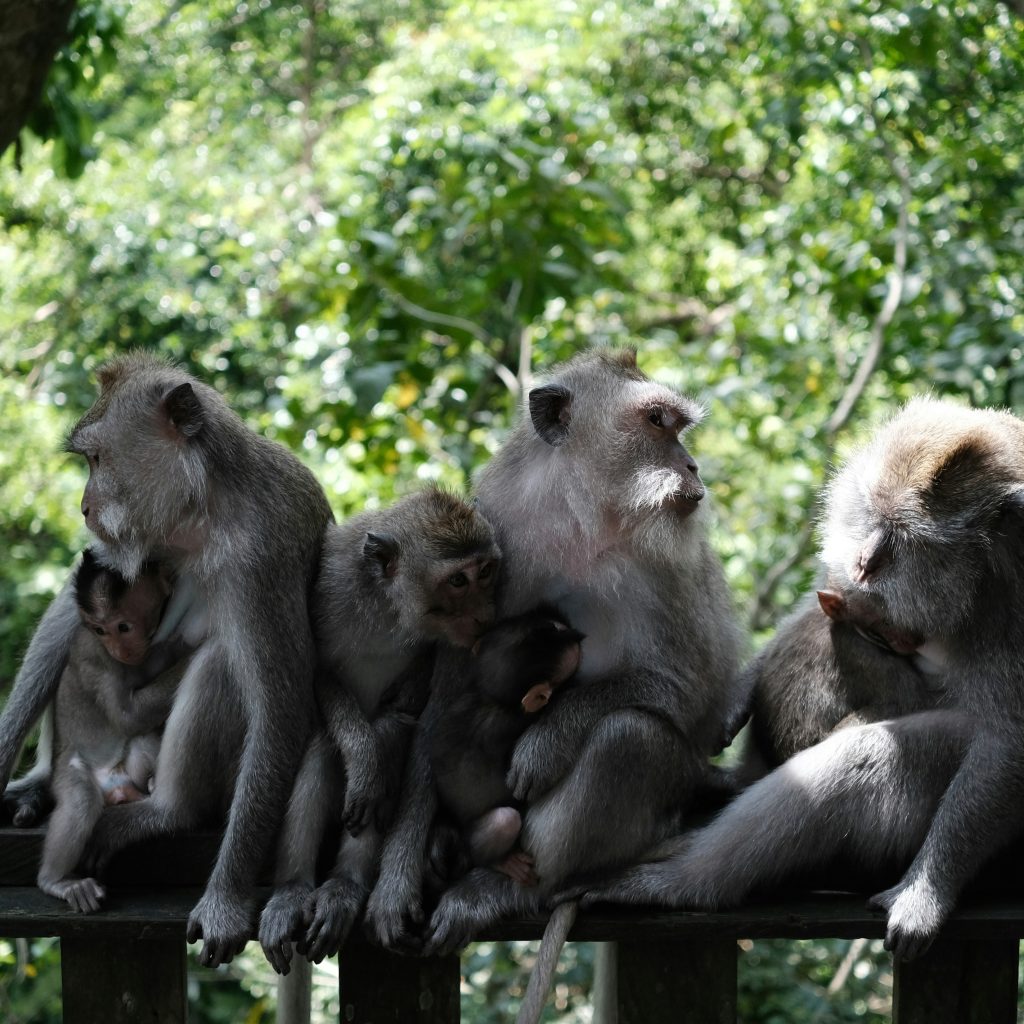
Most Gili Trawangan itineraries include time in Bali or on Lombok’s mainland, whether that’s a stopover before the boat crossing, a temple visit, or a trek up Mount Rinjani. This is where the real rabies risk in your trip usually lives, not on the Gili Islands themselves.
Bali in particular carries meaningful rabies risk. If you’re bitten or scratched by a dog, cat, or monkey anywhere in Bali, treat it as a genuine medical event, not a minor scare. The same goes for rural parts of Lombok, where dog bite numbers have climbed even as the island holds onto its rabies-free status.
What to Do If You’re Bitten or Scratched, Anywhere in Indonesia
Rabies is almost always fatal once symptoms start, but it’s also almost completely preventable with prompt treatment. According to the World Health Organization, post-exposure treatment works by stopping the virus before it reaches the nervous system, which is why speed matters more than anything else.
If you’re bitten or scratched by any mammal:
- Wash the wound immediately, with soap and running water, for a full 15 minutes if you can manage it. This single step meaningfully reduces the risk on its own.
- Don’t wait to “see if the animal seems sick.” Rabid animals don’t always look obviously ill, especially in the early stages.
- Get to a clinic the same day. Post-exposure treatment works best started quickly, and it can still help even if a day or two has passed.
- Bring details about the animal if you have them whether it was a pet or a stray, and its general behaviour since this helps a doctor assess the risk properly.
Our 24-hour emergency care is available if this happens outside normal hours, and our guide to finding the right clinic fast can point you to the nearest location if you’re not sure where to go.
Should You Get a Rabies Vaccine Before Your Trip?
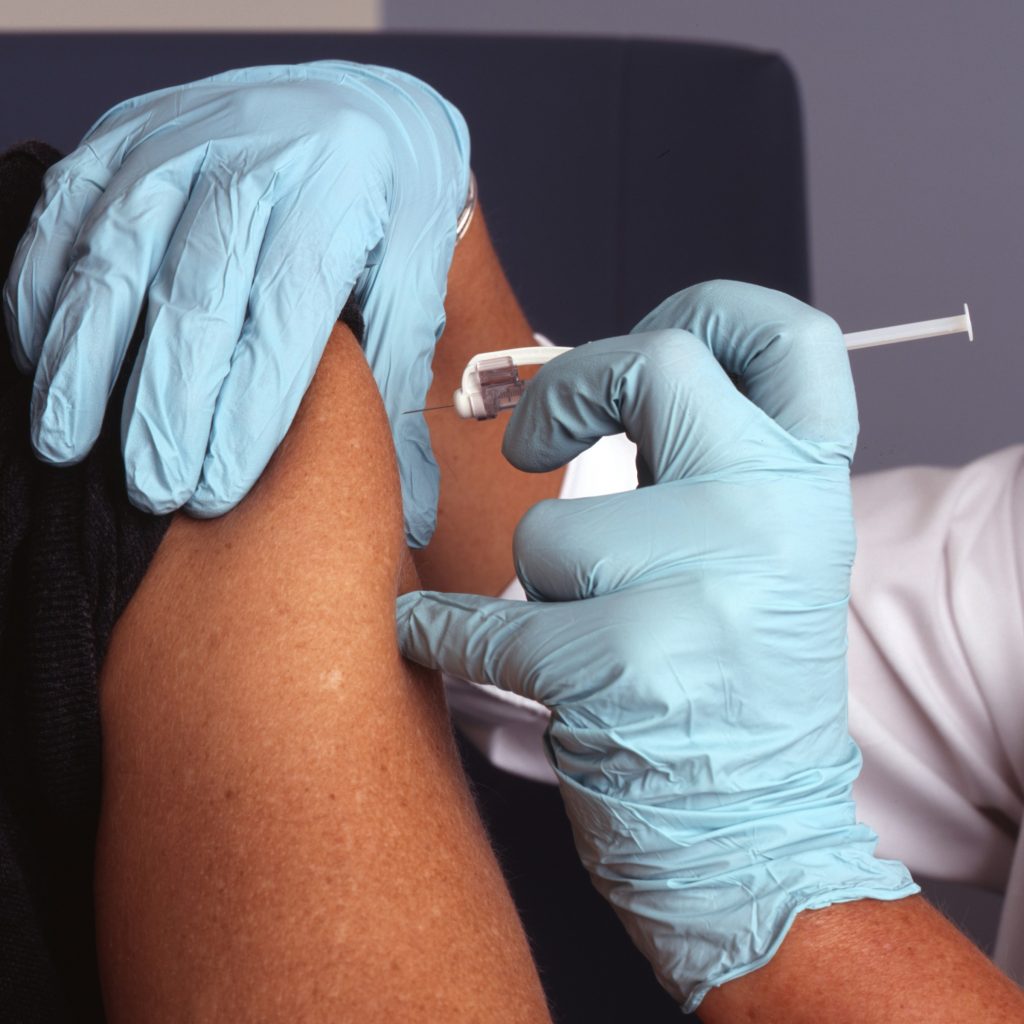
This is where a rabies vaccine Gili Trawangan clinic visit becomes worth considering, even before anything happens. Pre-exposure vaccination doesn’t eliminate the need for treatment after a bite, but it simplifies and speeds up that treatment significantly, and it removes the need for rabies immunoglobulin, a product that can be hard to find quickly outside major Indonesian cities.
Pre-exposure vaccination is worth a conversation with a doctor if any of these apply to you:
- You’re staying long-term or living on the islands rather than visiting briefly
- Your itinerary includes trekking, rural homestays, or extended time on Lombok’s mainland or in Bali
- You’re travelling with young children, who are more likely to approach or pet unfamiliar animals
- You work with or handle animals in any capacity during your stay
If any of this sounds like your trip, book a consultation at our clinic before you need it, not after. Our doctors can talk through your specific itinerary, confirm vaccine availability, and get you started on a pre-exposure course if it makes sense for you. It’s a short visit that removes one more thing to worry about for the rest of your trip.
Key Takeaways
- Rabies risk Gili Islands travelers face is genuinely low, largely because Lombok remains officially rabies-free and the islands have very few free-roaming dogs.
- The real rabies risk in most Gili Trawangan trips comes from side visits to Bali or rural Lombok, not the islands themselves.
- Monkeys carry the same rabies risk as dogs treat any bite or scratch the same way.
- Any bite or scratch from a mammal anywhere in Indonesia needs the same response: wash immediately, then get to a clinic the same day.
- Pre-exposure vaccination is worth considering for long-stay travelers, trekkers, families with young children, or anyone handling animals during their trip.
Frequently Asked Questions
Is Gili Trawangan rabies-free?
Gili Trawangan sits within Lombok’s regency, which currently holds official rabies-free status. The islands also have very few free-roaming dogs compared to mainland Lombok, which further lowers the practical risk for visitors.
Is rabies a bigger risk in Bali than on the Gili Islands?
Yes. Bali has had ongoing rabies cases since it was reintroduced into the dog population in 2008, and the disease remains active there despite large vaccination campaigns. Lombok and the Gili Islands have maintained rabies-free status, making the risk meaningfully lower.
Do I need a rabies vaccine before visiting Gili Trawangan?
For a short beach holiday spent mainly on the Gili Islands, most travelers don’t need pre-exposure vaccination. It becomes worth discussing with a doctor if your trip includes rural Lombok, Bali, trekking, or extended stays, or if you’re travelling with young children.
What should I do if a monkey scratches me on a day trip from Gili Trawangan?
Treat it exactly like a dog bite. Wash the wound immediately with soap and running water for 15 minutes, then get to a clinic the same day to discuss post-exposure treatment, regardless of how minor the scratch looks.
Can I get a rabies vaccine at a clinic on Gili Trawangan?
Yes, this is something our clinic can help with, both for pre-exposure vaccination before your trip and for post-exposure treatment if you’ve already been bitten or scratched. Book a consultation to discuss your specific situation and confirm vaccine availability.
How long do I have to get treatment after a possible rabies exposure?
Post-exposure treatment works best started as soon as possible, ideally the same day. It can still help even after a delay of a day or two, so don’t assume it’s “too late” get assessed regardless of how much time has passed.
Sources
- World Health Organization. Rabies Fact Sheet.
- Centers for Disease Control and Prevention. Rabies Post-Exposure Prophylaxis Guidance.
- National University of Singapore, Yong Loo Lin School of Medicine. Rabies in Bali: Updates and Challenges.
- Harian Pelita. Status Bebas Rabies di Ujung Tanduk: Lombok Timur Tolak “Jalan Pintas” Pembantaian Anjing Liar.
Reviewed by Muhammad Nashirul Islam, MD